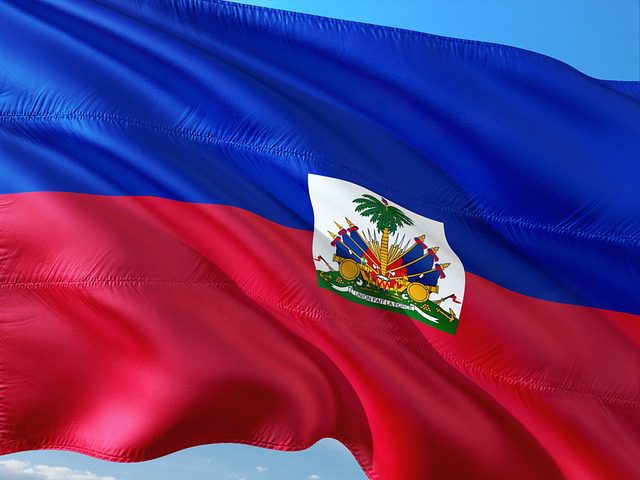
January 1 symbolises a reset for many and a chance to form new habits or pursue new dreams.
For Haitians, however, the date carries a deeper meaning.
It marks the day their ancestors won their freedom.
On January 1, 1804, Haiti declared its independence, becoming the world’s first Black republic and the first and the only nation born out of a successful slave revolt.
Haiti, formerly known as Saint-Domingue, was the richest French colony in the Caribbean.
That prosperity was built on the brutal exploitation of enslaved Africans.
This system was upended when enslaved and free Black people launched the Haitian Revolution on August 21, 1791.
Under the leadership of figures such as Toussaint Louverture, Jean-Jacques Dessalines and Henri Christophe, revolutionary forces defeated some of the most powerful European armies of the era, including troops sent by Napoleon Bonaparte.
The victory sent shockwaves through slave-holding societies across the Americas.
Haiti’s declaration of independence abolished slavery within its borders, but the price of freedom was steep. France later forced the young nation to pay a massive indemnity as compensation for lost colonial “property”.
This debt crippled Haiti’s economy for generations and continues to shape the country’s challenges today.
Despite internal and external pressures, Haitians remain a proud and resilient people, and their revolution stands as a lasting symbol of resistance to colonialism and racial oppression.
Soup Joumou: a taste of freedom
Haiti’s national dish, soup joumou, is a pumpkin-based soup traditionally eaten on Independence Day. During slavery, it was reserved exclusively for French slave owners. After independence, Haitians reclaimed it as a powerful symbol of liberation and equality.
Haiti helped liberate Latin America
Several countries in the region owe part of their independence to Haiti. The nation provided refuge, funding and military support to leaders such as Simón Bolívar, helping to fuel liberation struggles across Latin America and the Caribbean.
Vodou is a recognised religion
Vodou is an officially recognised religion in Haiti and is deeply rooted in African spiritual traditions blended with Catholic influences. Far from the stereotypes often portrayed abroad, Vodou emphasises community, respect for ancestors and spiritual balance, and played a unifying role during the Haitian Revolution.
Home to the largest fortress in the Americas
The Citadelle Laferrière, built in the early 19th century under King Henri Christophe, is the largest fortress in the Americas. Perched atop a mountain in northern Haiti, it covers about 10,000 square metres, with walls up to 40 metres high and up to seven metres thick. It was designed to hold supplies for 5,000 soldiers for a year.
The only successful slave revolt to form a nation
Haiti remains the only country in history established as a result of a successful slave uprising. Its revolution reshaped global discussions on freedom, human rights and colonial rule, influencing political thought far beyond the Caribbean.
Leave a Reply