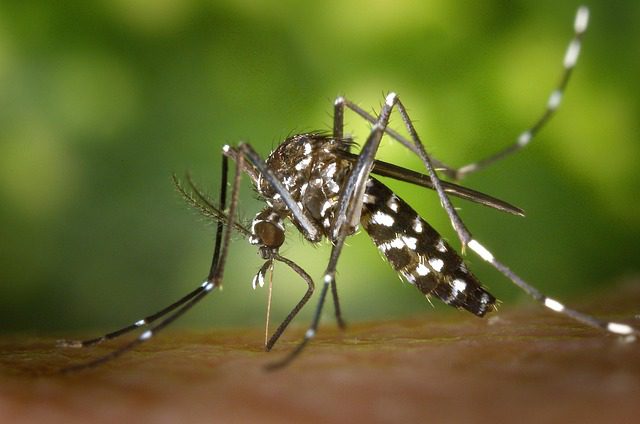
Health authorities in Anguilla have confirmed the island’s first locally acquired case of West Nile Virus.
The Anguilla Ministry of Health said the case involves a 25-year-old resident with no recent travel history, suggesting the infection was likely contracted locally.
According to officials, the individual developed symptoms on March 7, including fever, headache, vomiting and right-sided abdominal pain. Laboratory testing conducted on March 10 confirmed the infection through PCR testing.
The patient has been admitted to hospital for monitoring and supportive care and is reported to be in stable condition.
Health officials explained that West Nile Virus is transmitted through the bite of infected mosquitoes, particularly those from the Culex species. The virus typically circulates between mosquitoes and birds, which act as the primary hosts.
Humans can become infected if bitten by an infected mosquito, but they do not pass the virus on to others, meaning it does not spread from person to person or from humans back to mosquitoes.
While this marks the first confirmed human case in Anguilla, authorities noted that evidence of the virus circulating in birds, horses and mosquitoes has been documented across Caribbean territories since the early 2000s.
They added that human cases are relatively uncommon in the region, as the virus often circulates quietly among animal populations without causing major outbreaks, making it what experts describe as a “silent” threat.
Most people infected with West Nile Virus experience no symptoms or only mild illness. When symptoms do occur, they may include fever, headache, body aches, nausea or vomiting.
In rare cases, severe illness can develop, including neurological complications involving inflammation of the brain or nervous system. Warning signs may include high fever, severe headache, stiff neck, confusion, tremors, seizures, muscle weakness, vision problems, numbness or loss of consciousness.
The Ministry of Health is urging residents to take precautions to reduce mosquito breeding and avoid bites.
Officials are advising residents to remove standing water around their homes, use mosquito repellent particularly at dawn and dusk, wear long sleeves and long pants outdoors, and ensure window and door screens are properly maintained.
The ministry said control measures have already been implemented and the situation is being closely monitored.
Leave a Reply