The Saint Lucia government says it has not been provided with any data suggesting that holders of citizenship obtained through the country’s Citizenship by Investment Programme (CIP) are responsible for overstaying or working illegally in the United Kingdom, despite London’s decision to impose visa requirements on St Lucian nationals.
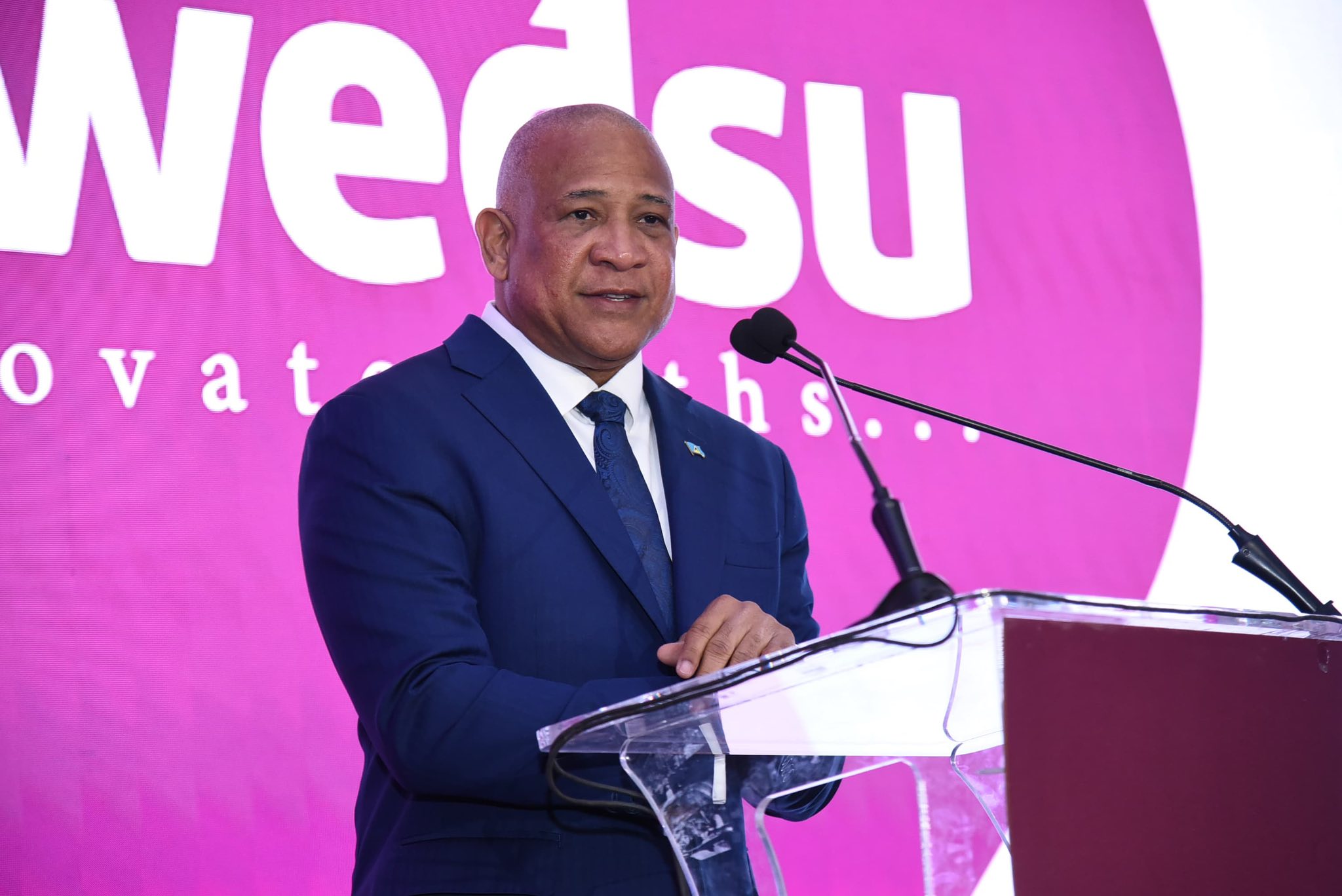
Deputy Prime Minister and minister with responsibility for the Citizenship by Investment Programme, Ernest Hilaire, told Parliament on March 10 that the government has repeatedly asked British authorities for evidence linking the programme to immigration violations but has not received the information needed to verify such claims.
“We have asked repeatedly for the relevant information on any concern with the CIP. We have said, if there are CIP citizens using St Lucia passports to claim asylum or to work illegally in the United Kingdom, then share the data with us. Tell us how many. Tell us where they are originally from. Tell us who they are. Give us the information necessary to act.”
In announcing the new visa regime for St Lucia on March 5, UK Home Secretary Shabana Mahmood claimed St Lucian and Nicaragua passport holders were using their visa-free status as a “back door” into the UK.

Hilaire said the UK Home Office’s explanation for the visa decision referenced the number of St Lucians applying for asylum or working illegally in the United Kingdom but did not distinguish between natural-born citizens and those who obtained citizenship through the investment programme.
“The wording used by the UK Home Office in its statement speaks of the number of St Lucians who have applied for asylum or are working illegally in the United Kingdom. It does not differentiate between who are natural-born citizens or CIP citizens.”
He said this had led to widespread speculation that the CIP programme was responsible for the increase.
“I can understand why some would believe that the two are linked, that it is the CIP that is causing the increase in asylum seekers and illegal workers.”
However, Hilaire told legislators that the government had been assured that the programme was not the driver of the decision.
“I say to this Honourable House that it is wrong to leave the impression that St Lucia’s CIP is responsible for this problem when, to date, the data needed to establish that claim has not been shared with us. On the contrary, we have been assured that the CIP is not the driver of the decision taken by the United Kingdom.”
He said the government remains willing to take action if credible evidence is provided.
“Because no responsible government can fix a problem that is not properly placed before it. No responsible government can be expected to respond with precision while not having access to the information required to do so.”
The Deputy Prime Minister said St Lucia respects the sovereign right of the United Kingdom to determine its immigration policy.
“I want to make it clear from the outset that I fully respect the sovereign right of the Government of the United Kingdom to protect its borders and to determine its own visa policy.”
However, he expressed disappointment over the manner in which the decision was taken, saying it had created concern and damaged the spirit of the longstanding relationship between the two countries.
Saint Lucia and the United Kingdom share historical and constitutional ties, with both recognising Charles III as head of state.
Hilaire also defended the Citizenship by Investment Programme, describing it as a key development tool for the country.
“It is a developmental tool. It is one of the means by which a small island developing state like ours can fund roads, hospitals, schools, water security, jobs, climate resilience and wider national development.”
He warned that attempts to discredit the programme could harm the country’s development prospects.
“When you attack this programme irresponsibly, you are not attacking a line item on paper. You are attacking a source of opportunity for the people of Saint Lucia.”
Hilaire said the government will continue engaging international partners to strengthen oversight of the programme and prevent abuse.
“We will continue to work with all international partners to strengthen our programme and ensure that it is not a threat to anyone and remains a benefit to us.”

Leave a Reply