CARICOM is intensifying its diplomatic campaign ahead of the Commonwealth Heads of Government Meeting CHOGM, with reparations set to become a major Commonwealth issue.
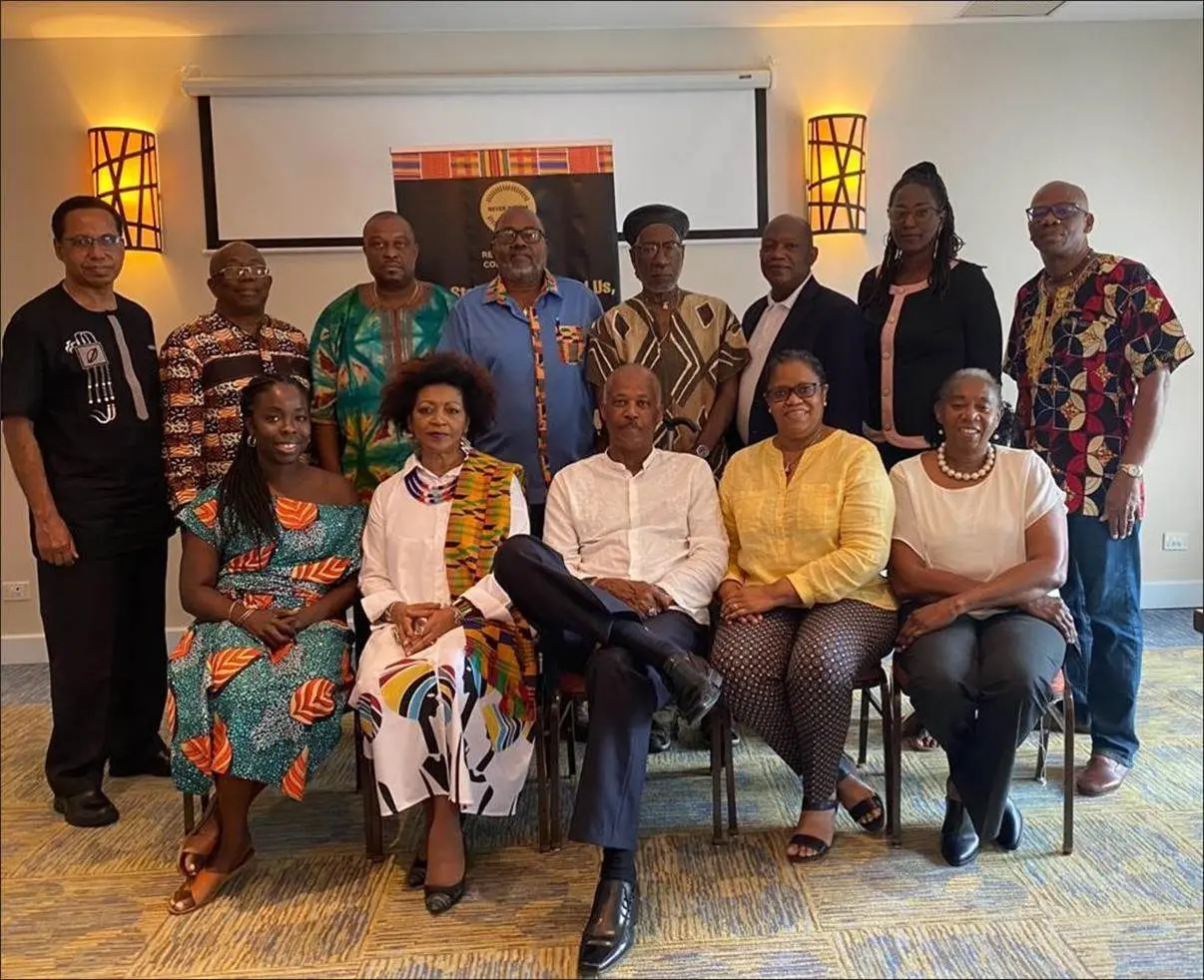
The CARICOM Reparations Commission (CRC) is currently visiting the UK (July 13–16) to create strategic partnerships to promote a programme of public education and civil society engagement on the reparations agenda.
It comes on the heels of the declaration of the “CARICOM Ten Point Plan for Reparatory Justice: A Manifesto for the Coming Enlightenment,” which was finalised and approved at the just-concluded Conference of CARICOM Heads of Government.
More importantly, it precedes the 2026 Commonwealth Heads of Government Meeting (CHOGM) in St John’s, Antigua, on November 1–2.
Prime Minister Gaston Browne has already confirmed that reparations will be explicitly written into the CHOGM communiqué.
It will be preceded by the Third Regional Conference on Reparations, to be hosted by Barbados on September 18 and 19, which will be held after Jamaica’s reparations petition to King Charles III on September 7.
The CRC has already held discussions with senior clergy from the Church of England and will engage in a Diplomatic Strategy Session with CARICOM and African Union (AU) High Commissioners and Ambassadors, and host a panel discussion with British parliamentarians as part of the four-day official trip.
This is the second official visit by the CRC to the UK in the 12 years since the Commission was established by the 34th CARICOM Heads of Government Meeting in 2013.
CRC Chair Sir Hilary Beckles is emphasising self-determination and national sovereignty while noting that the Caribbean already has at least 20 territories with ties to Britain, France, the Netherlands and the United States.
It is noteworthy to add that the meeting follows a decision by the United Kingdom and the entire European Union bloc to abstain from voting on a UN resolution passed in March that called for reparations and declared the trafficking of enslaved Africans “the gravest crime against humanity.”
Argentina, Israel and the United States voted against the resolution, which was led by Ghana.

Leave a Reply